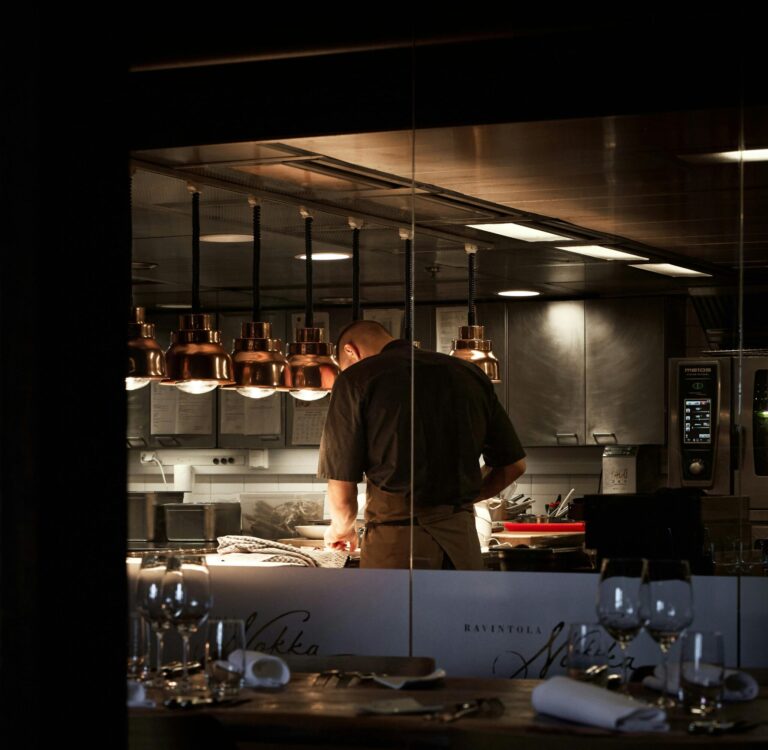
The Energy Efficient Commercial Kitchen
How owners and operators can reduce energy costs without compromising food quality, chef acceptance or guest experience.
Four arguments the book makes
Energy is a margin question
Kitchen energy is not a fixed cost. It is a controllable operating system, and every dollar of avoidable waste comes straight off operating profit without selling one more meal.
Buy energy services, not fuel
Kitchens do not buy gas or electricity. They buy cooking, refrigeration, ventilation, hot water, dishwashing and comfort. Seeing the kitchen as services is what makes the waste visible.
Chef acceptance decides the result
A measure that a chef works around saves nothing. Every change has to be profitable, culinary feasible and operationally practical, in that order and all three at once.
Finance follows proof
Prove the saving at representative sites, measure it against an agreed baseline, and then let the verified result carry the funding conversation.
Written for the people who sign off the project
Chief executives, chief financial officers, chief operating officers and multi-site leaders across restaurants, work camps, hotels and aged care, and the chefs and facilities managers who have to live with the result.
The method in the book is the method Enspara delivers: baseline the site, remove the waste at the service level, verify the saving against an agreed baseline, then standardise what worked across the portfolio.