Our Work
Site by Site
Whole-site energy costs down 40% to 45% at the restaurants named below, before solar. Individual systems go further: extraction 63% to 84%, hot water 77%, walk-in freezer 52%. Every figure is from a named site. Results vary by site.
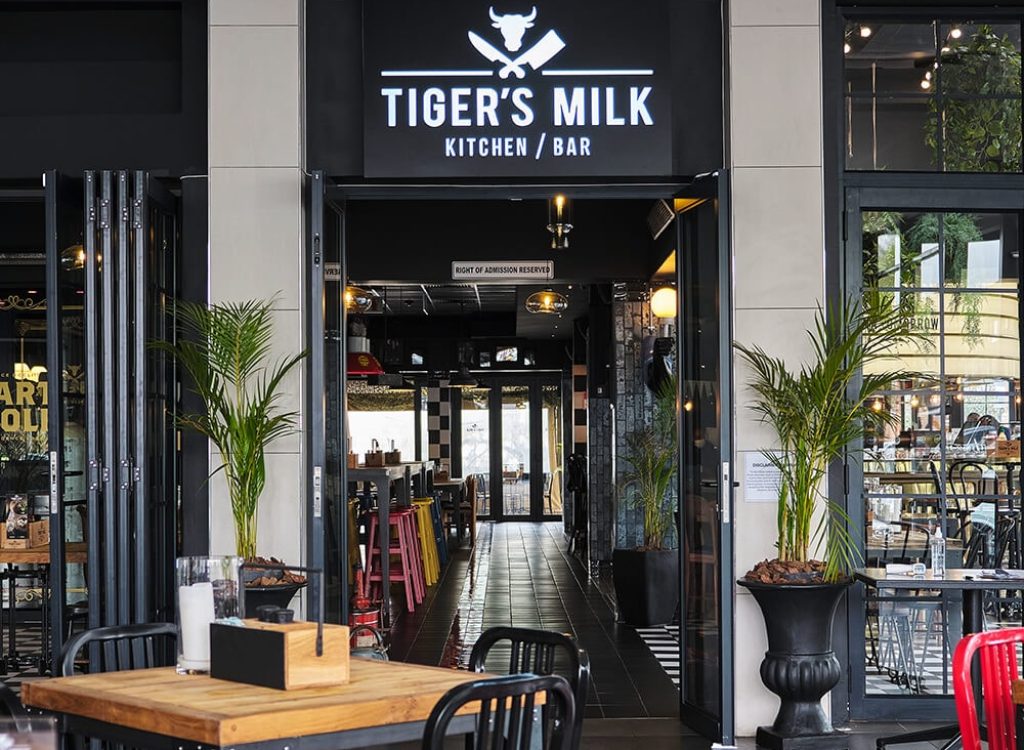
Casual Dining
Tiger's Milk Bryanston
A busy kitchen and bar on long trading hours in Johannesburg.
Highlights
- Daily electricity down 43%, from 700 to about 400 kWh a day. Measures paid back in 20 to 24 months.
- Extraction and supply-air fans, hot passes and shisha stoves.
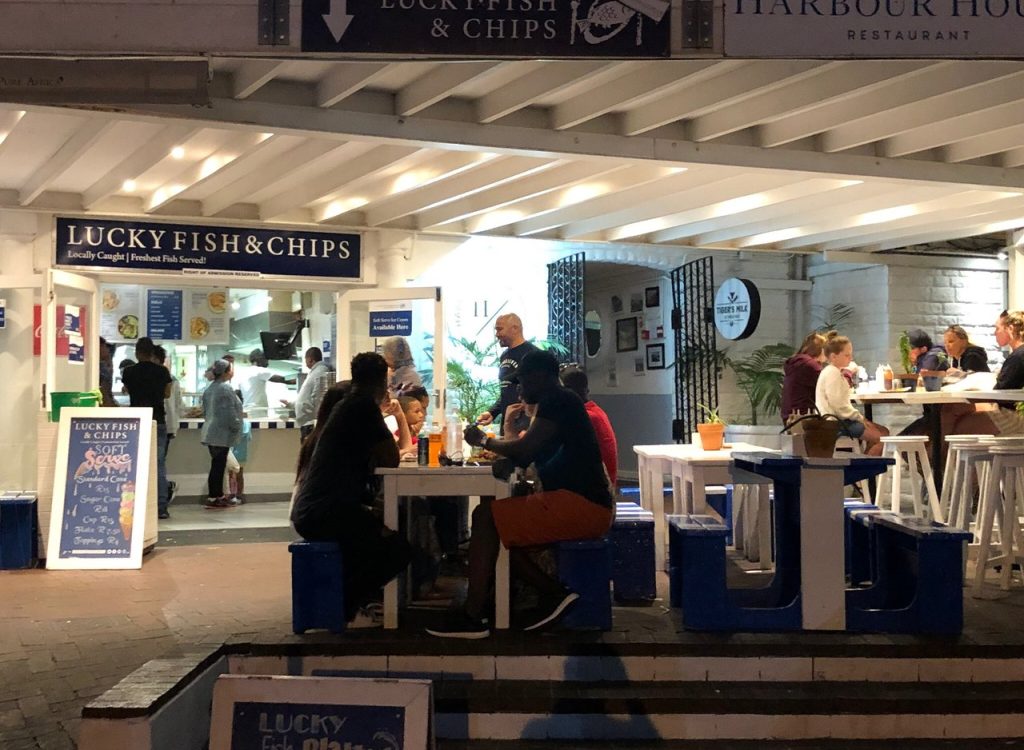
Fast Food
Lucky Fish & Chips
Fish and chips at Kalk Bay. The frying line carries most of the store's energy cost, so that is where the work went.
Highlights
- Four electric fryers replaced by two induction fryers: energy costs down 40% on the frying line, cooking-oil life doubled.
- Induction holds the oil temperature and recovers faster, which also improves the batter.
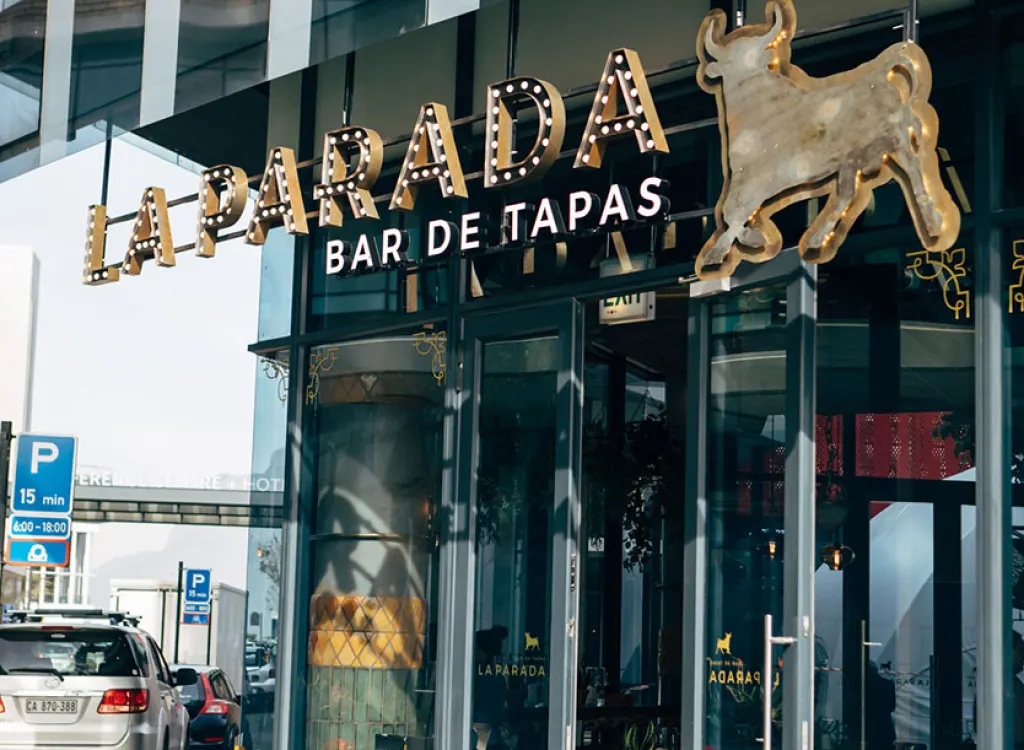
Casual Dining
La Parada Emperor's Palace
Spanish tapas at Emperor's Palace, Johannesburg. Kitchen, bar and guest area all in scope.
Highlights
- Energy costs down 40%. Walk-in freezer electricity down 51.7% with phase-change thermal storage.
- Fitted without changing how the kitchen works.
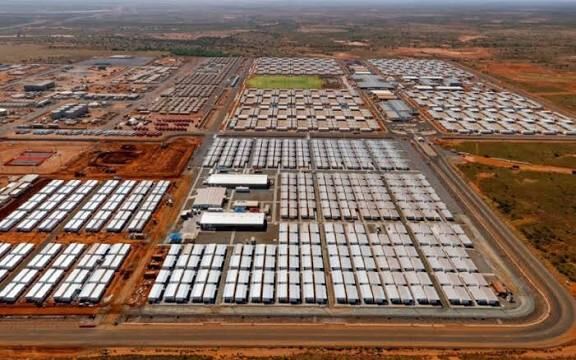
Work Camp
Chevron Wheatstone LNG Construction Workcamp
A 3,800-room construction village near Onslow, Western Australia, with its own power station. We wrote its energy strategy in 2011.
Highlights
- 3,800 Climate Controllers, one per room.
- Room air-conditioning energy down 55%, 18-month payback.
- Peak demand modelled down 53%, from 11.7 MW to 5.5 MW.
Fast Food
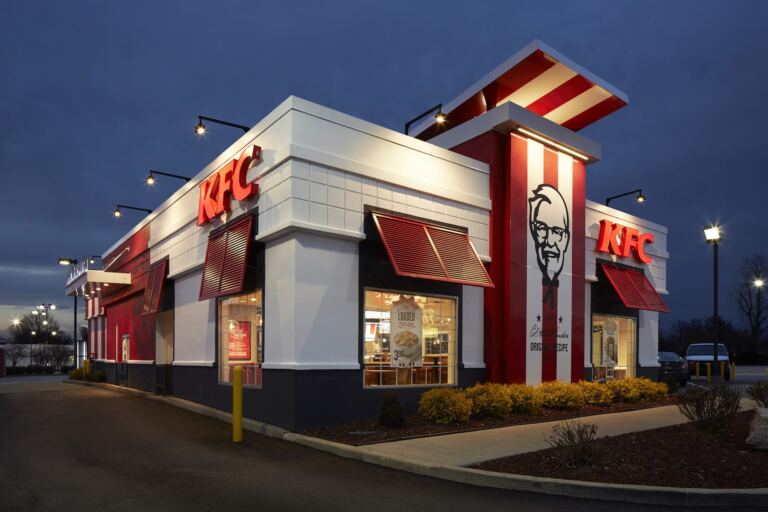
Sherwood KFC
A standalone drive-through in Durban, delivered in 2021. The strongest whole-site record in our set.
Highlights
- Energy costs down 45%. Daily electricity from 845 to 524 kWh, before solar. Water bill down 25%.
- Demand ventilation, LED lighting, heat-pump hot water, air conditioning control and induction stoves. Solar came later and is not in the figures.